Beauty Tips
Japanese Beauty Techniques for Glowing Skin
The so-called "glowing skin" (often called "transparent skin" or "light bulb skin") in the Japanese beauty industry doesn't simply aim for whiteness, but rather emphasizes a plump, hydrated stratum corneum, even skin tone, and a natural glow. The success of Japan's medical aesthetics industry can be traced back to its meticulous attention to detail and in-depth research into aesthetics. The Japanese are detail-oriented, striving for perfection in clothing, makeup, and cosmetic surgery. This culture of perfection has flourished in the medical aesthetics field, inspiring innovative and unique medical technologies.
Skincare Philosophy:
Exfoliation and Brightening Ingredients
Japanese skincare places great emphasis on the dual balance of stratum corneum hydration and melanin inhibition.
- Hydration equals radiance:
Highly penetrating moisturizing ingredients (such as ceramides and hyaluronic acid) enhance stratum corneum hydration, allowing light to refract regularly on the skin's surface, creating a visually translucent effect. Gentle cleansing and barrier repair are fundamental, avoiding over-cleansing that leads to rough, dull skin.
- Core Whitening Ingredients:
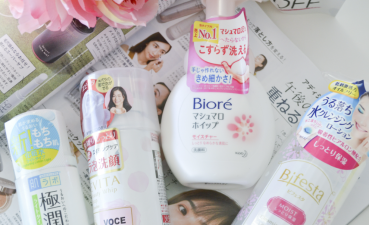
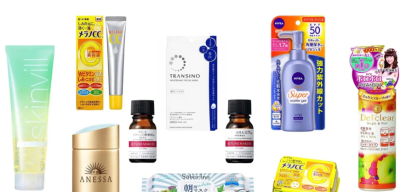
Widely used Japanese patented ingredients to block melanin pathways. Examples include 4MSK (inhibits melanin production), tranexamic acid (improves uneven skin tone), niacinamide (blocks transport), and PITERA™ (regulates oil-water balance and metabolism). Representative products include SK-II's "Little Bulb" serum and the Uriage Whitening series, aiming to improve dullness and acne scars from the root.
- Antioxidant and Anti-yellowing:
For dull skin caused by lack of sleep or glycation, it is often combined with antioxidants such as vitamin C derivatives or idebenone to maintain a "rosy" rather than "dead white" complexion.
Medical Aesthetic Technology:
Phototherapy and Regenerative Medicine
For those seeking a fast and significant "glowing" effect, Japanese medical aesthetics offers several options with short recovery periods:
- IPL (Intense Pulsed Light):
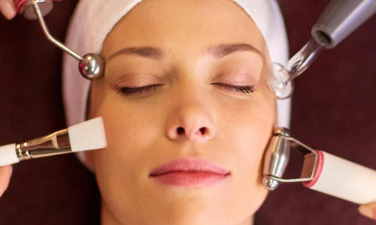
Known as the "lunchtime beauty treatment," it uses intense pulsed light to improve redness, superficial pigmentation, and pores, promoting collagen regeneration for overall smooth and radiant skin, with a very short recovery period.
- Picosecond/Laser Treatment for Pigmentation:
Targets deep, stubborn pigmentation, breaking down melanin at picosecond speeds to resolve localized dullness and achieve a more even skin tone.
- LED Phototherapy:
Commonly used in salons, red light (promotes collagen production) and green light (anti-inflammatory and whitening) are used as adjunctive therapies to enhance skin metabolism and radiance.
- Regenerative Medicine (Advanced):
Such as fibroblast therapy, which involves extracting and culturing autologous cells and then reinjecting them to promote collagen and elastin regeneration from the dermis, achieving firmness and radiance from the inside out. However, this method is time-consuming and costly.
Daily Habits:
Sunscreen and Metabolism
- Strict Sunscreen Protection:
Ultraviolet radiation is the main cause of skin oxidation and dullness. Japanese women commonly use high-SPF sunscreen year-round to prevent sunspots and photoaging that damage the skin's "transparency."
- Metabolic Regulation:
Controlling glycation through regular sleep and diet ensures normal skin metabolism and prevents the buildup of dead skin cells that causes dullness. Recommendation: For daily skin brightening, a basic routine of gentle cleansing, high moisturizing, a whitening serum containing 4MSK/niacinamide, and strict sun protection is recommended. For specific pigmentation issues or deep dullness, consult a reputable clinic for light cosmetic procedures such as IPL (Intense Pulsed Light) treatments. Be wary of exaggerated online claims (such as "gold thread beauty treatments," which lack widespread medical consensus), and prioritize techniques supported by clinical data.